Pınar Öğrenci
Glück auf in Deutschland
Apr 26 – Jun 08, 2024

Installation Views

Glück auf in Deutschland, 2024

Glück auf in Deutschland, 2024

Glück auf in Deutschland, 2024

Glück auf in Deutschland, 2024
Works
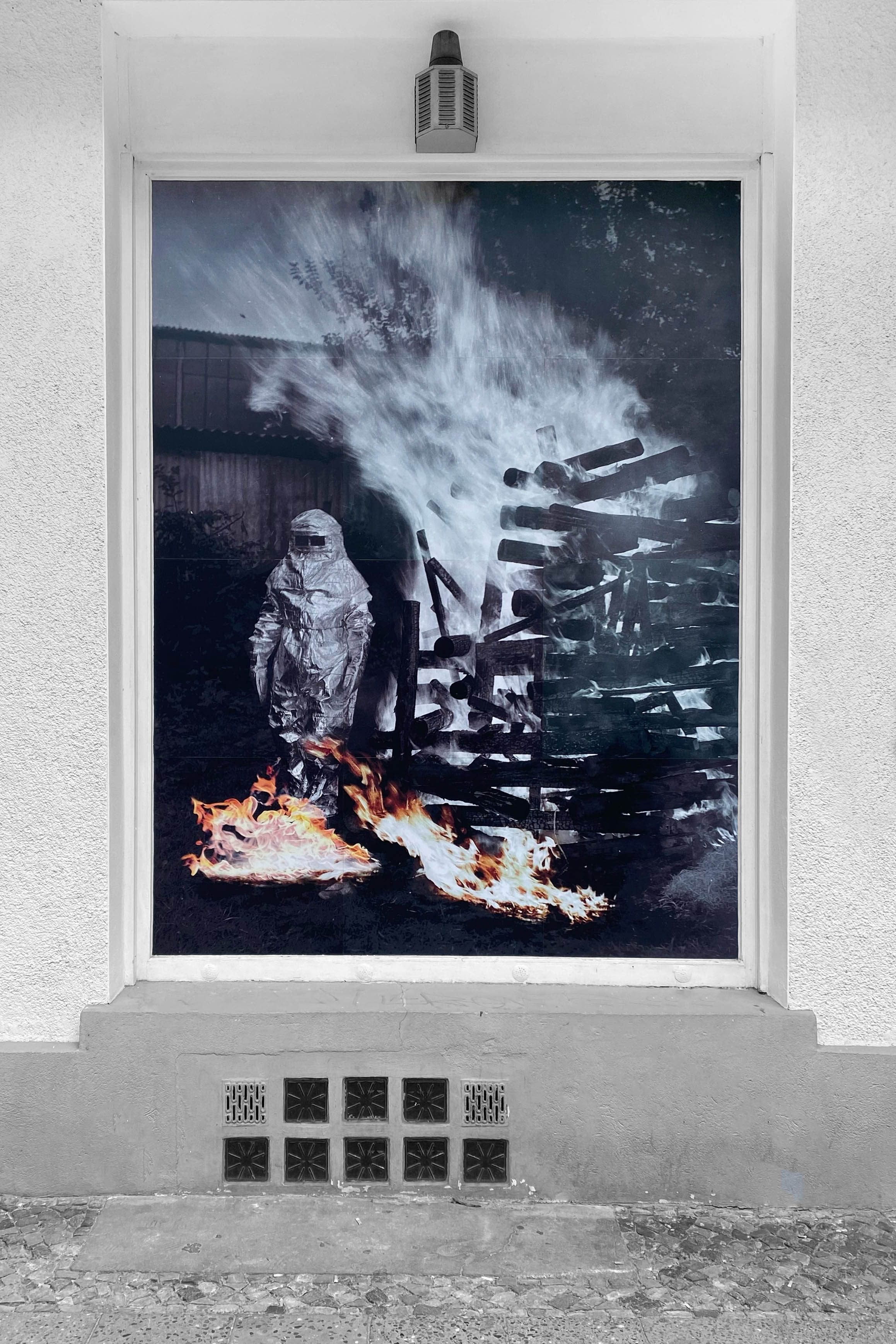
The man who doesn't burn, 2024
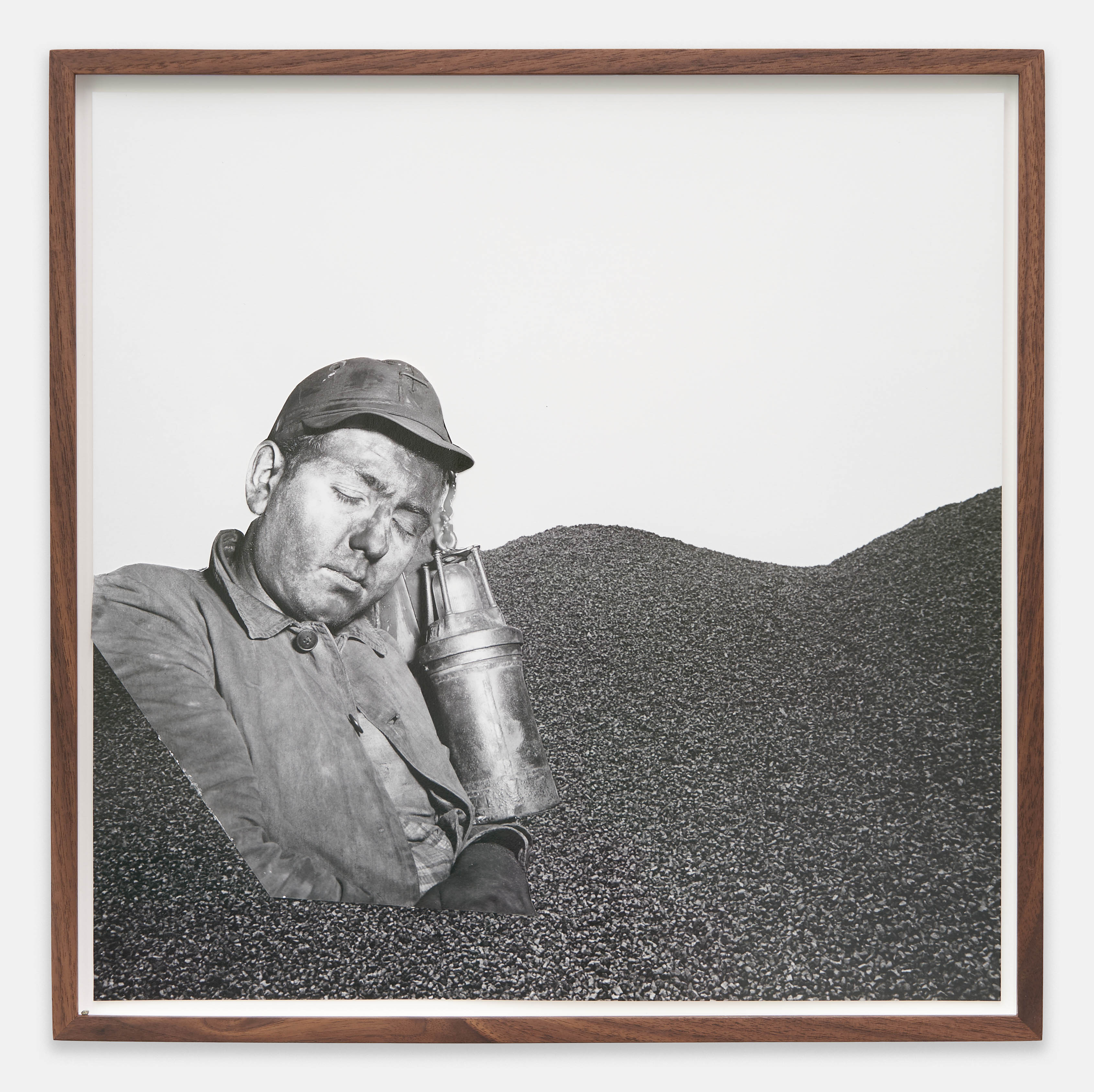
Glück auf in Deutschland, #1, 2024
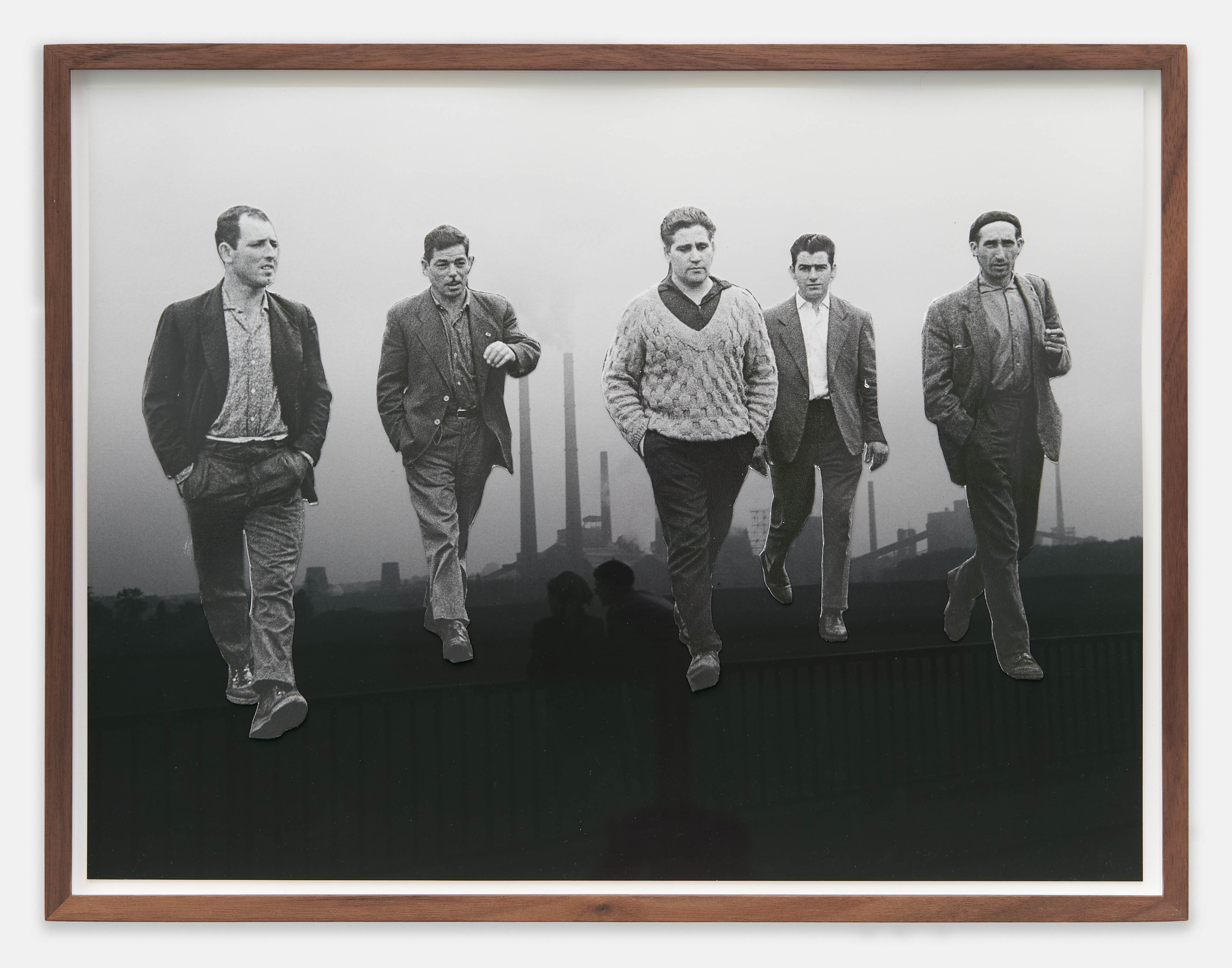
Glück auf in Deutschland, #2, 2024
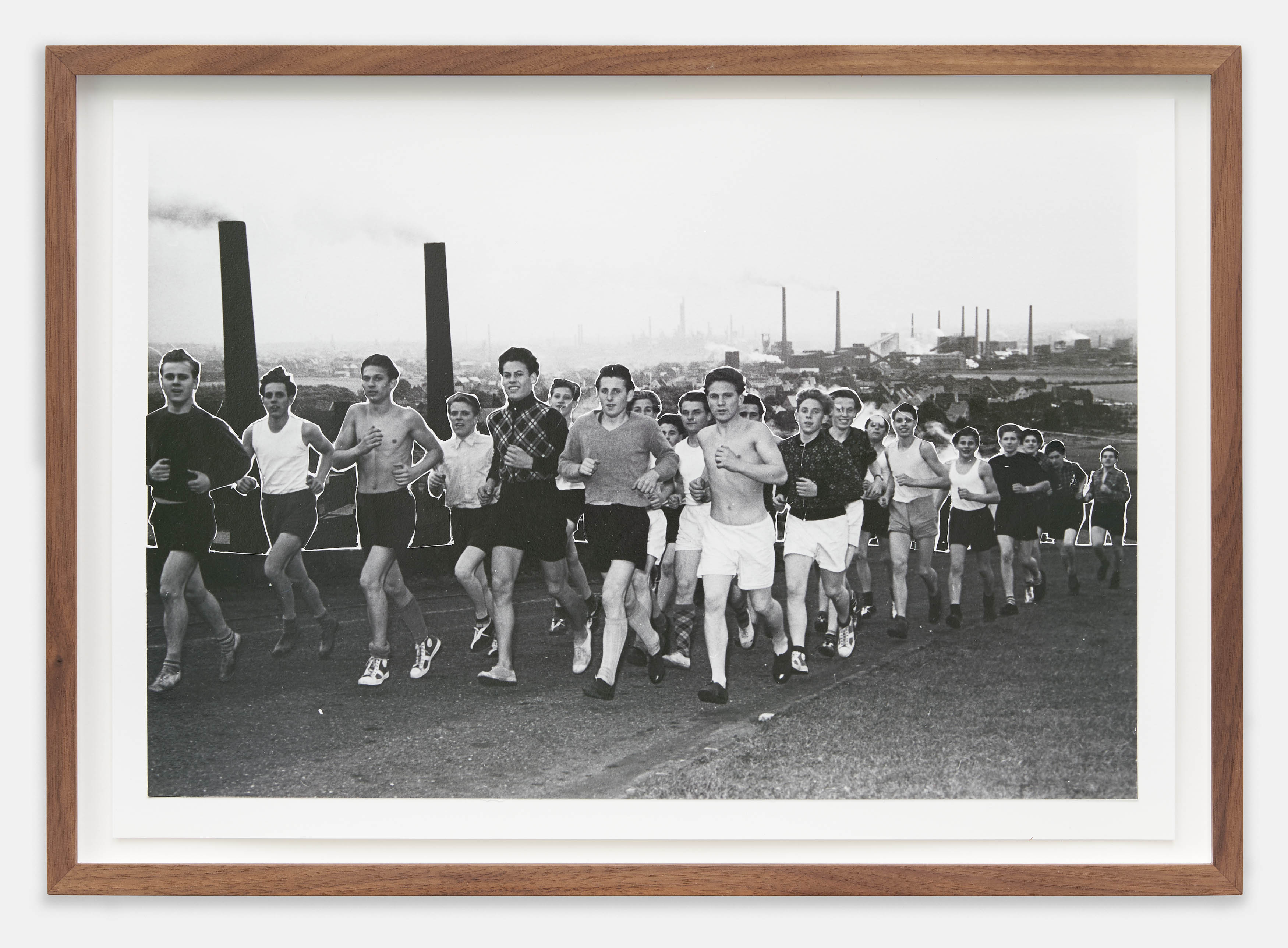
Glück auf in Deutschland, #3, 2024
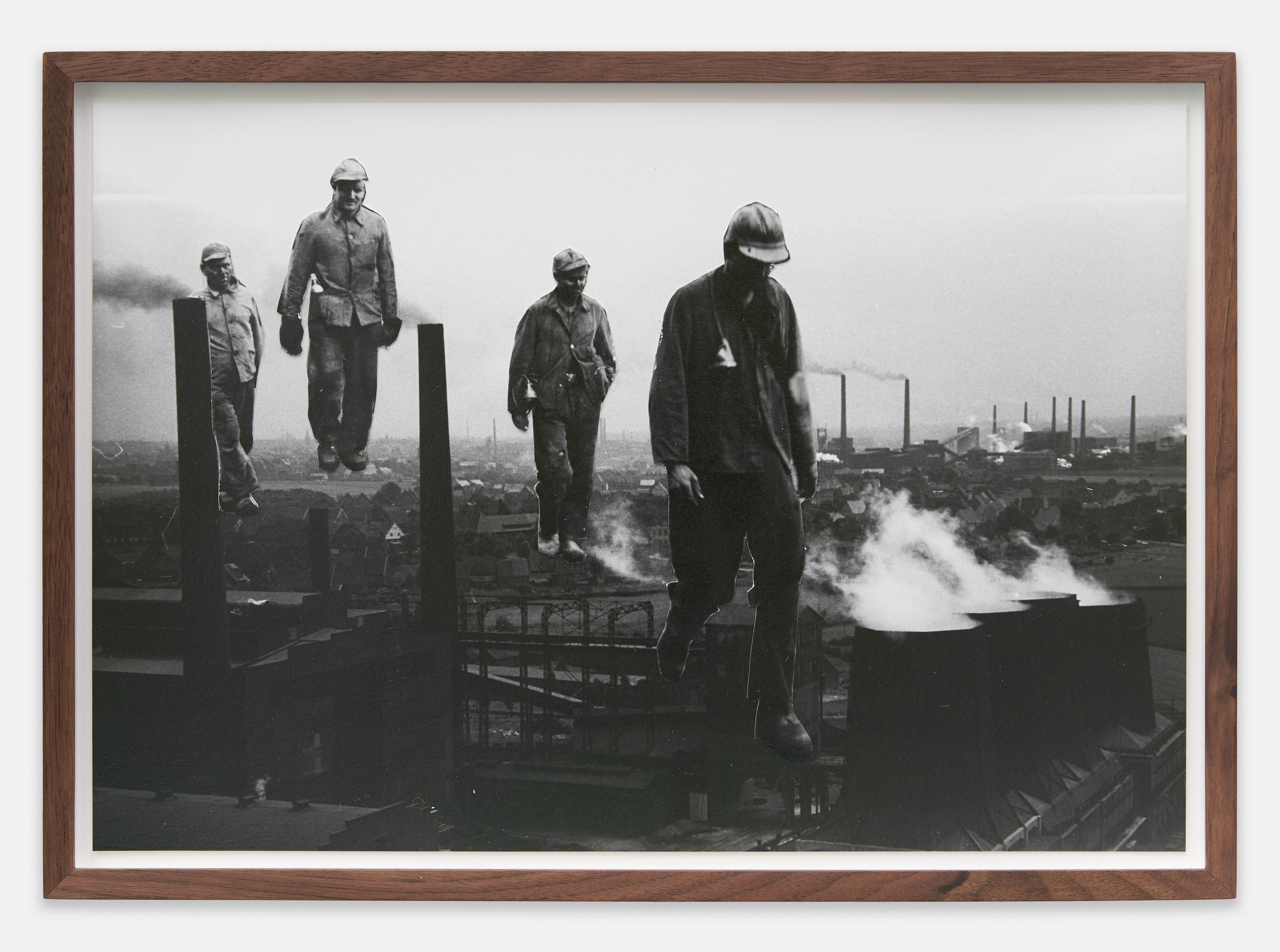
Glück auf in Deutschland, #4, 2024
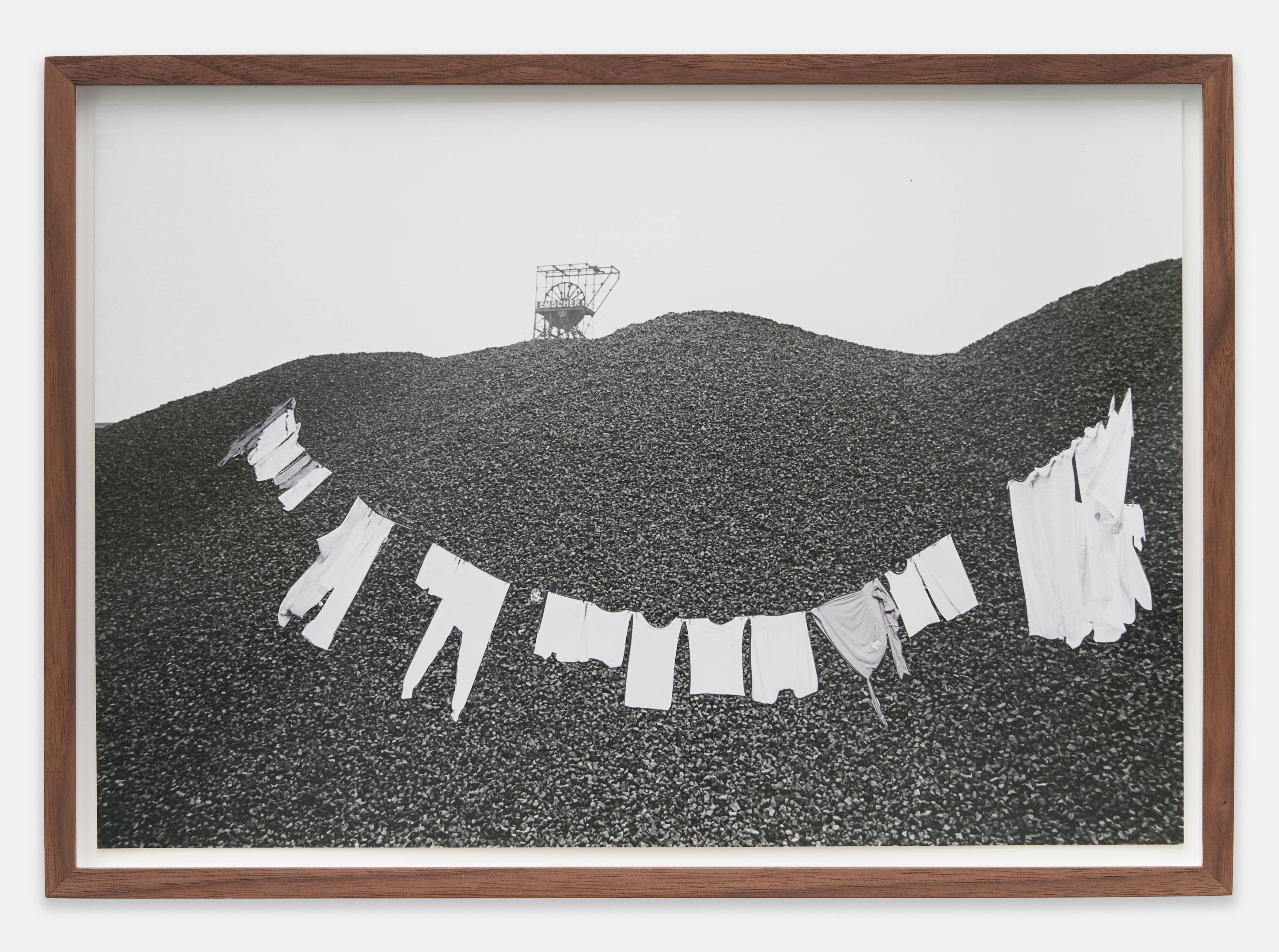
Glück auf in Deutschland, #5, 2024
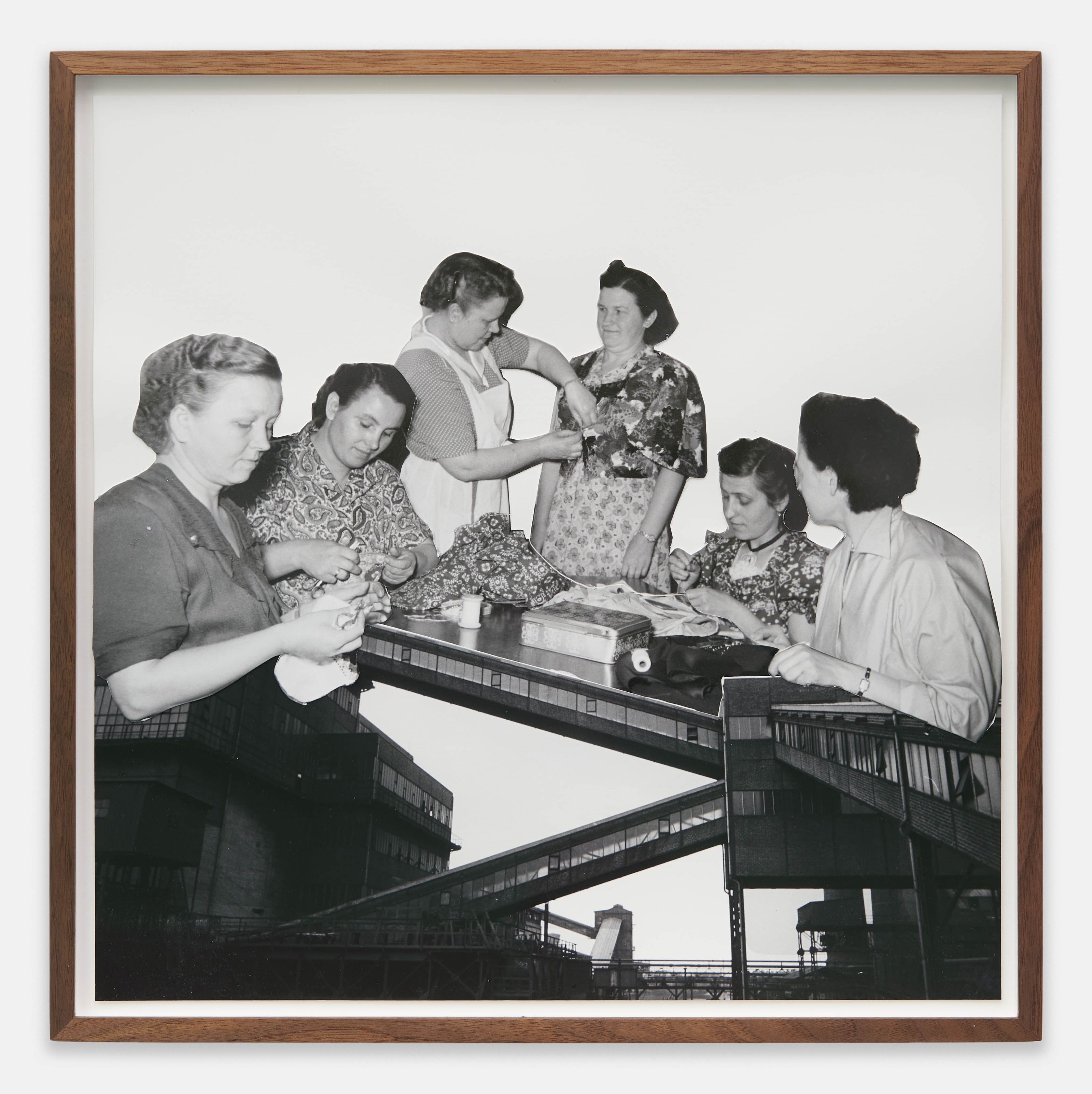
Glück auf in Deutschland, #6, 2024
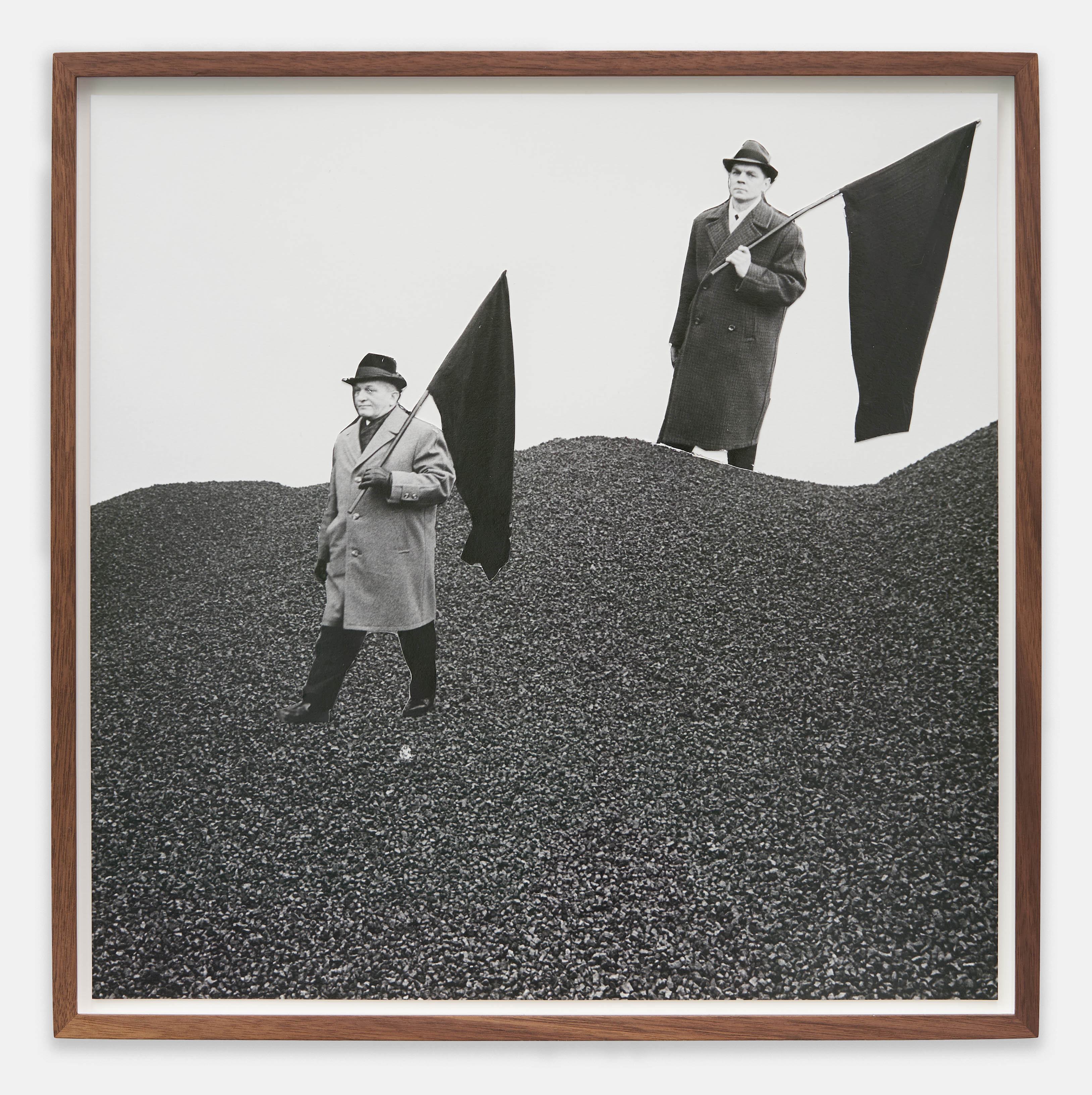
Glück auf in Deutschland, #7, 2024
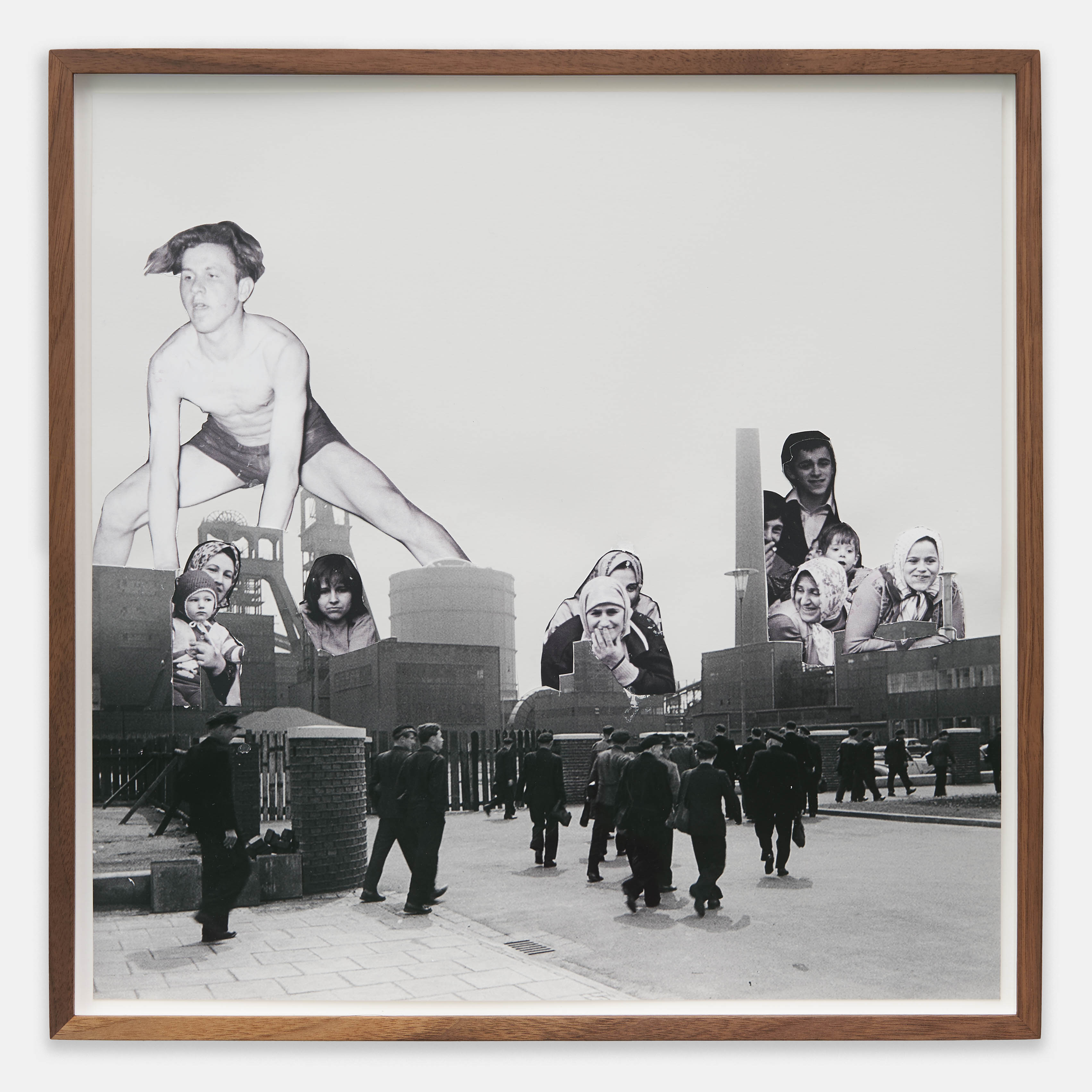
Glück auf in Deutschland, #8, 2024
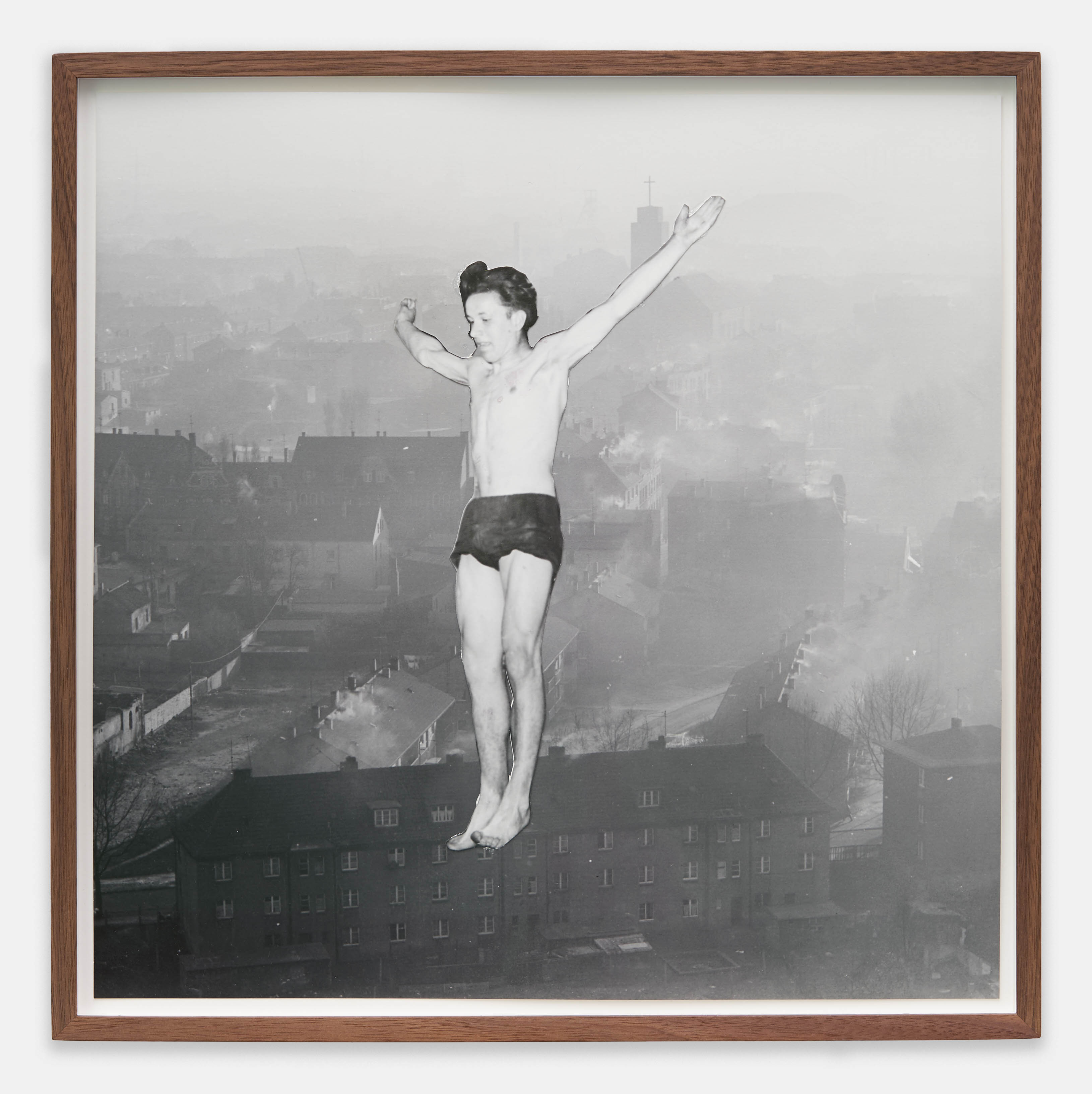
Glück auf in Deutschland, #9, 2024
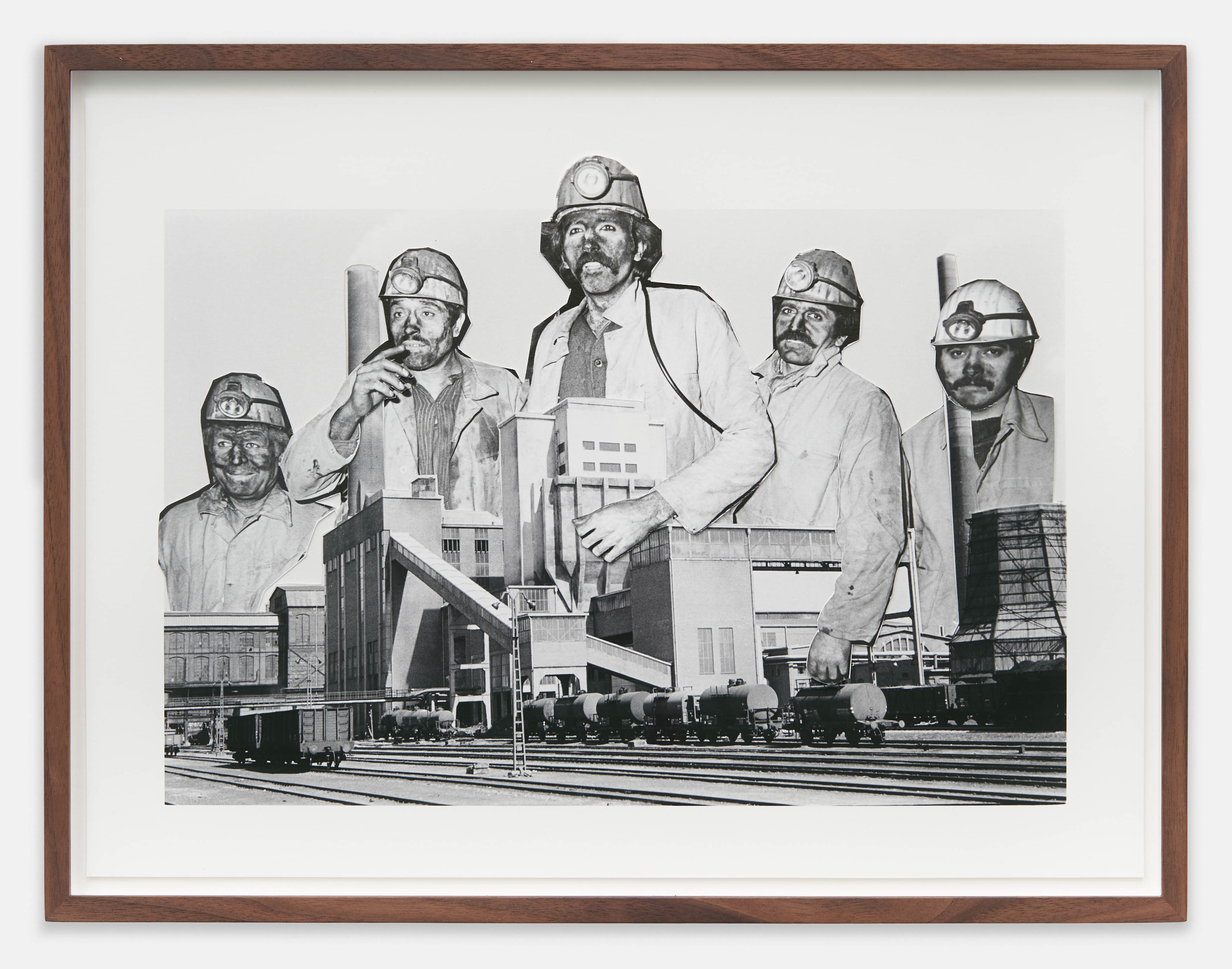
Glück auf in Deutschland, #10, 2024
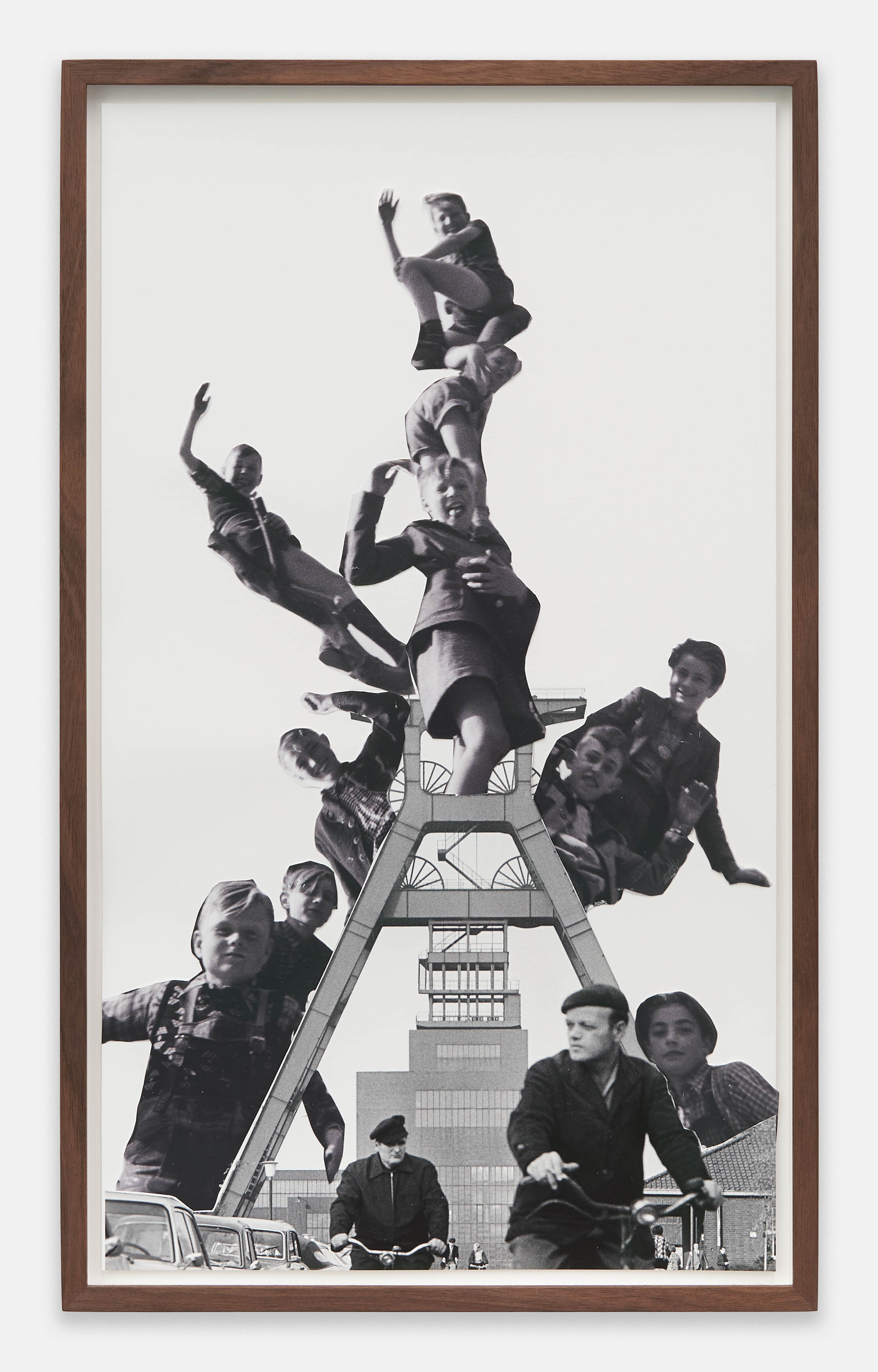
Glück auf in Deutschland, #10, 2024
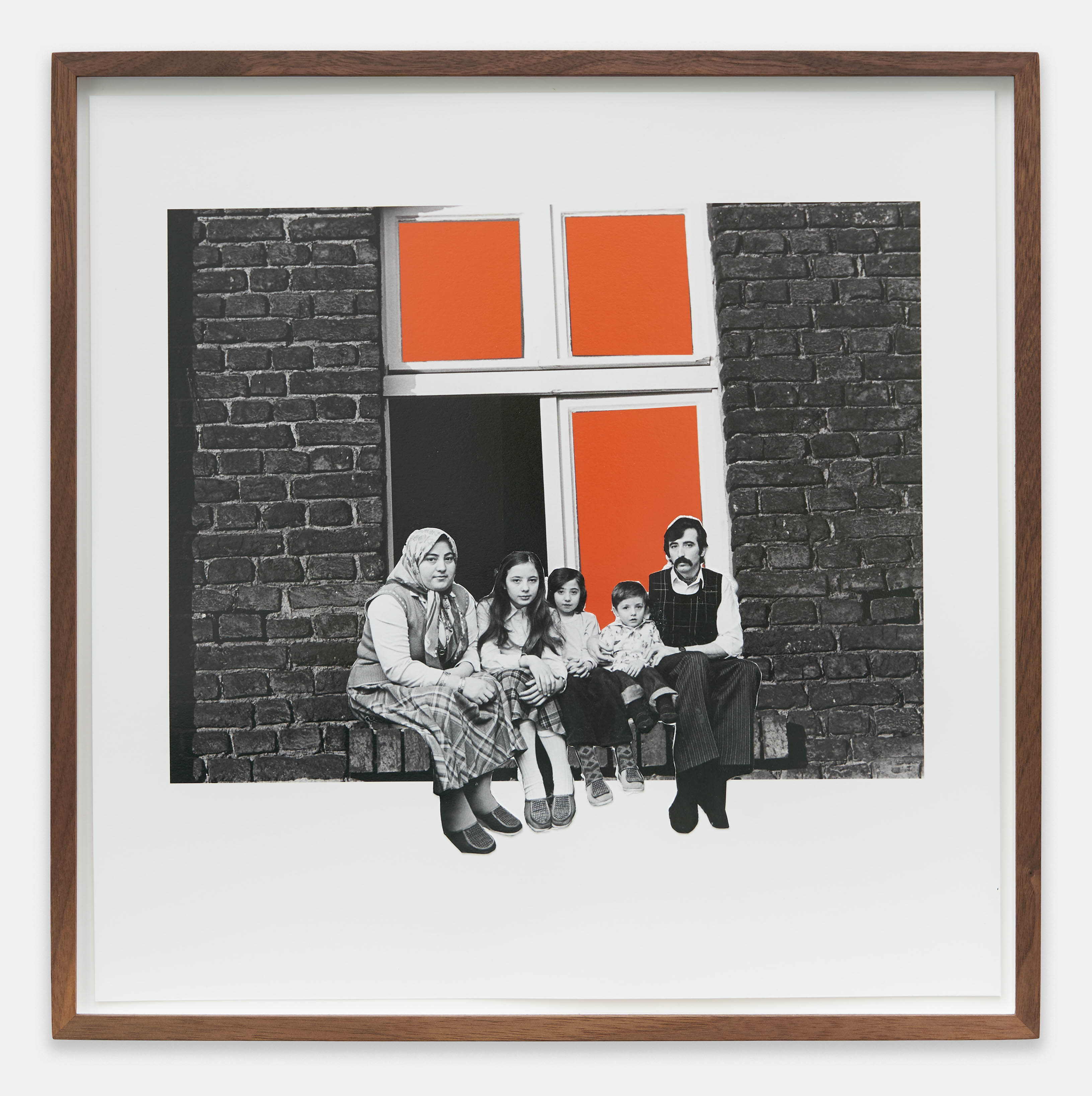
Glück auf in Deutschland, #11, 2024
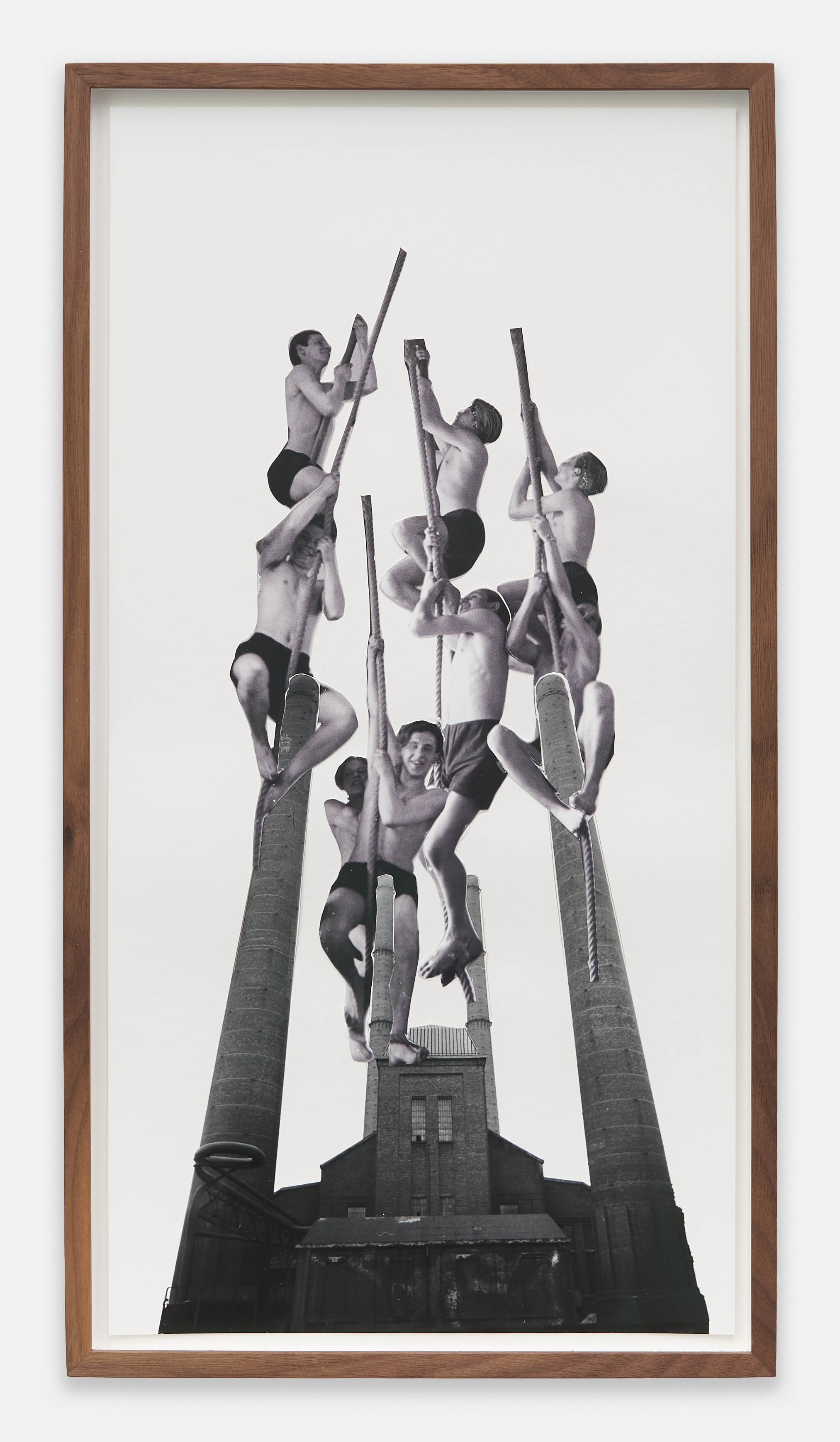
Glück auf in Deutschland, #11, 2024
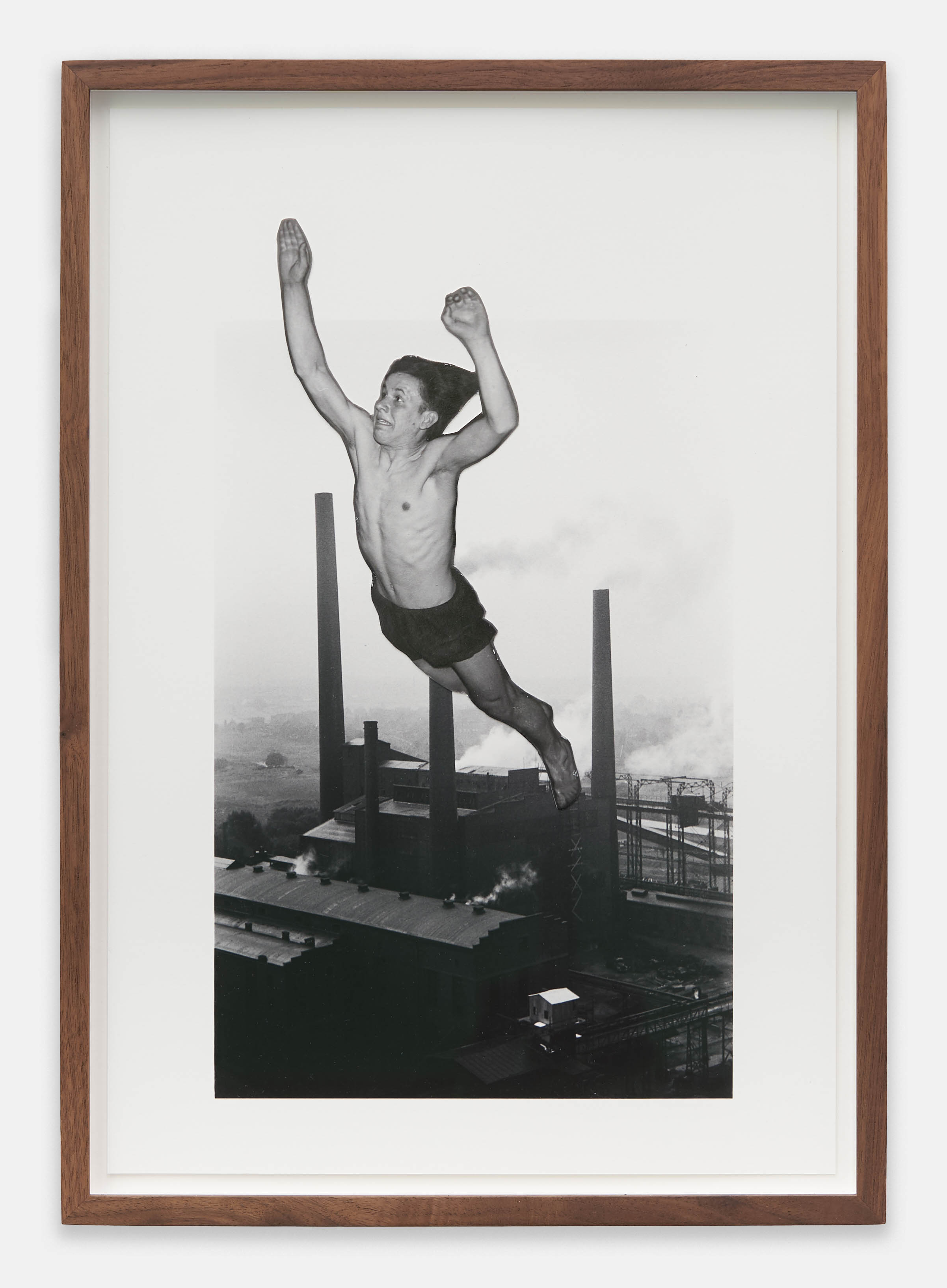
Glück auf in Deutschland, #14, 2024
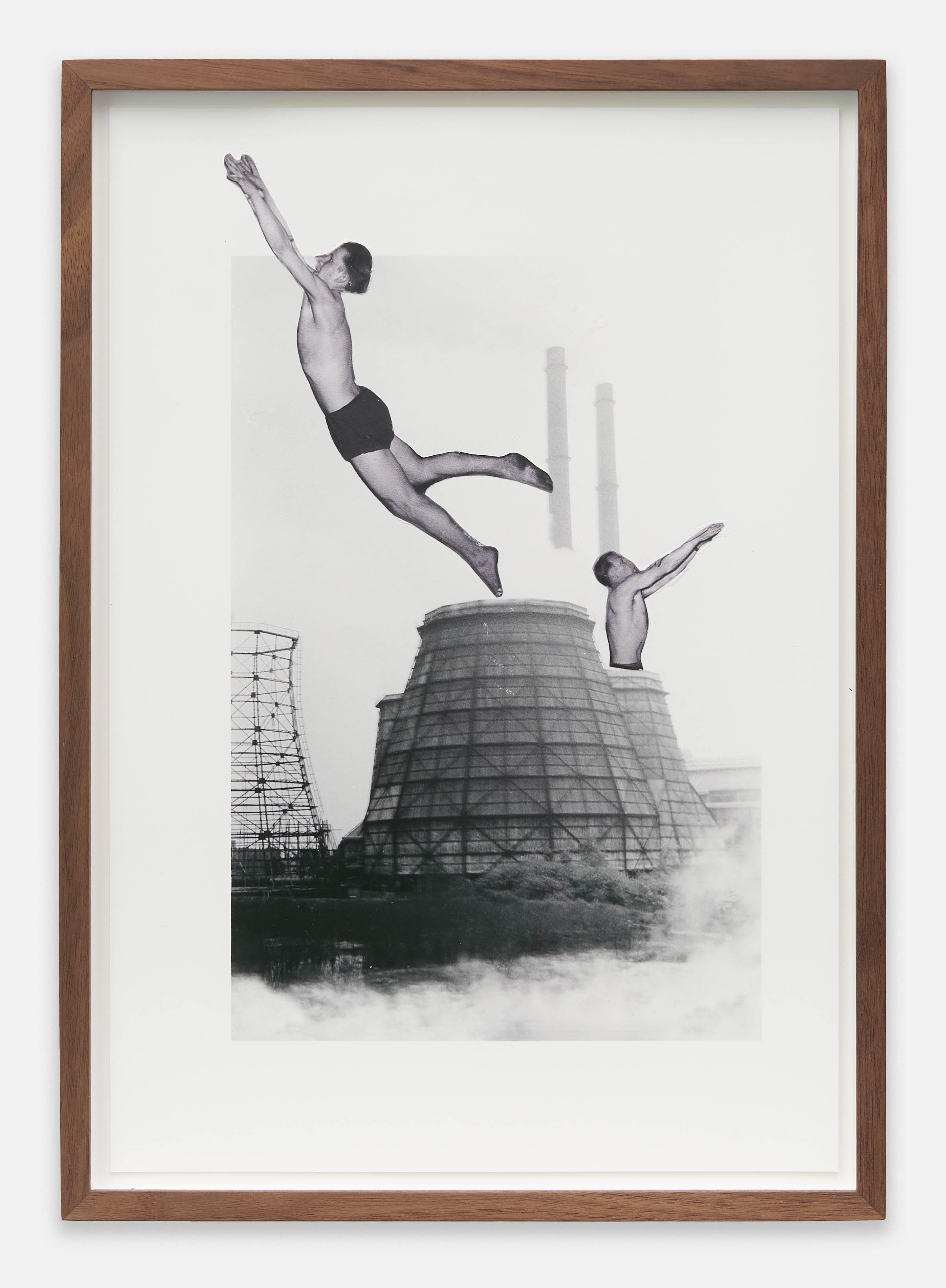
Glück auf in Deutschland, #15, 2024
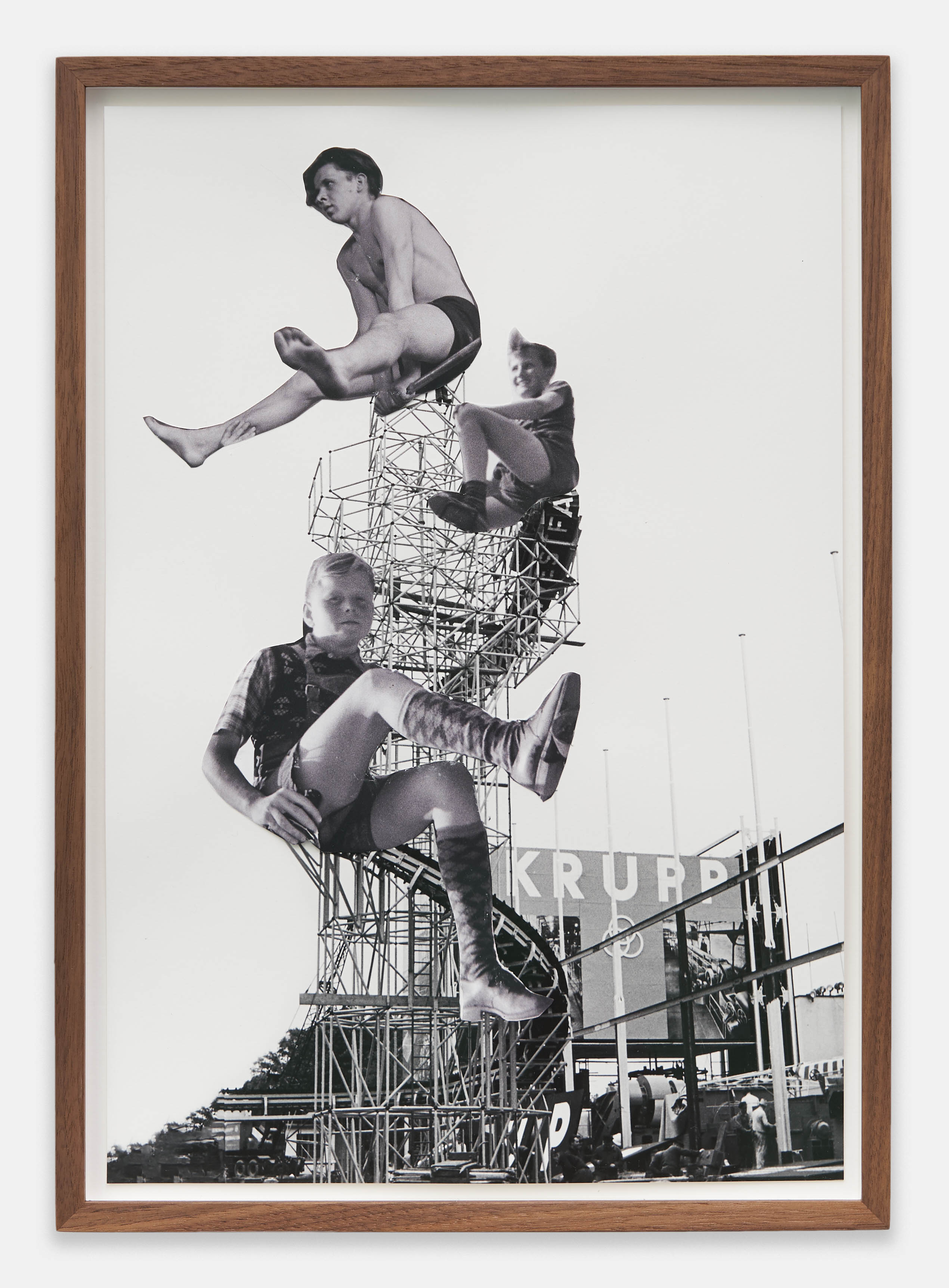
Glück auf in Deutschland, #16, 2024
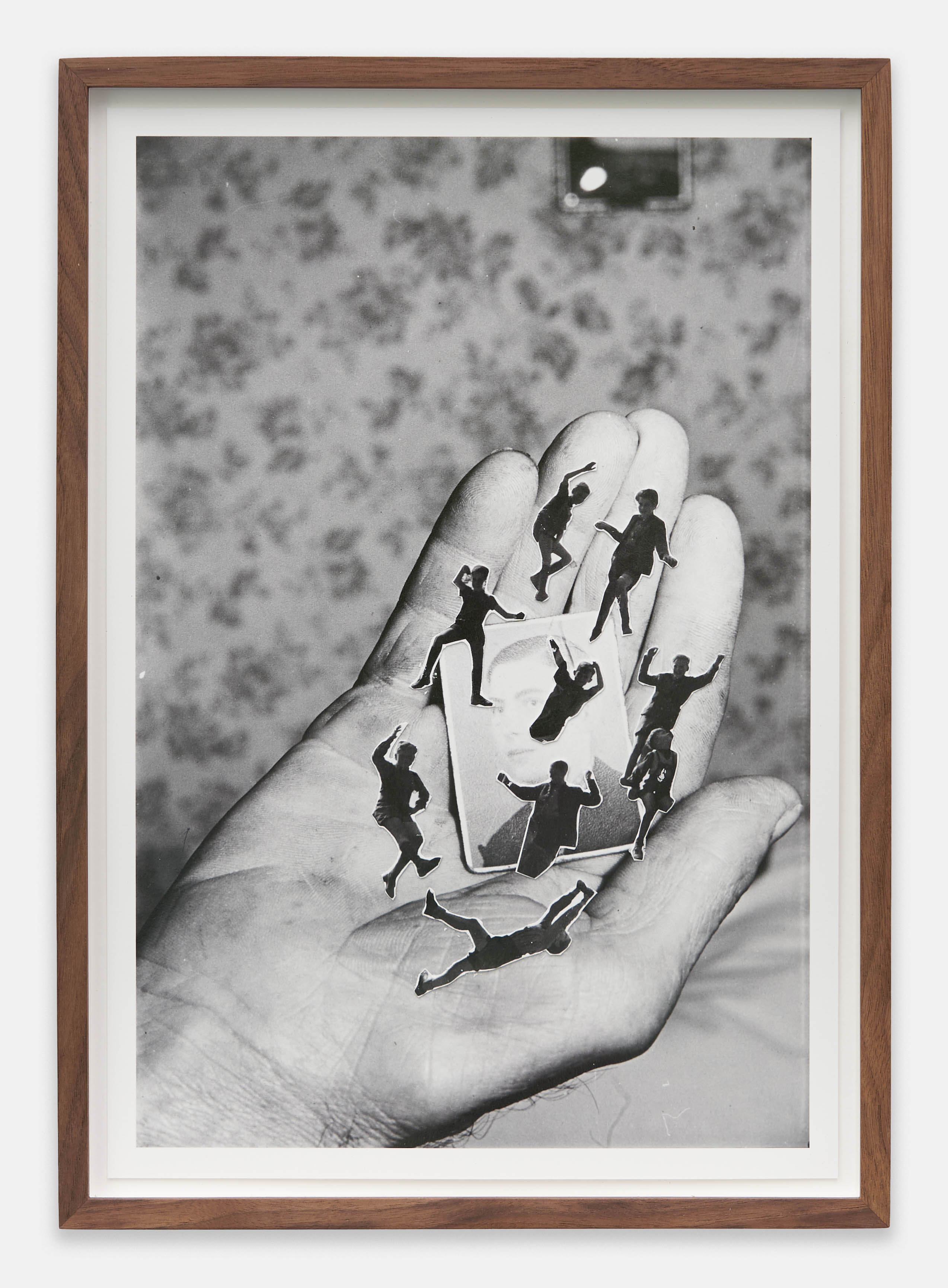
Glück auf in Deutschland, #17, 2024
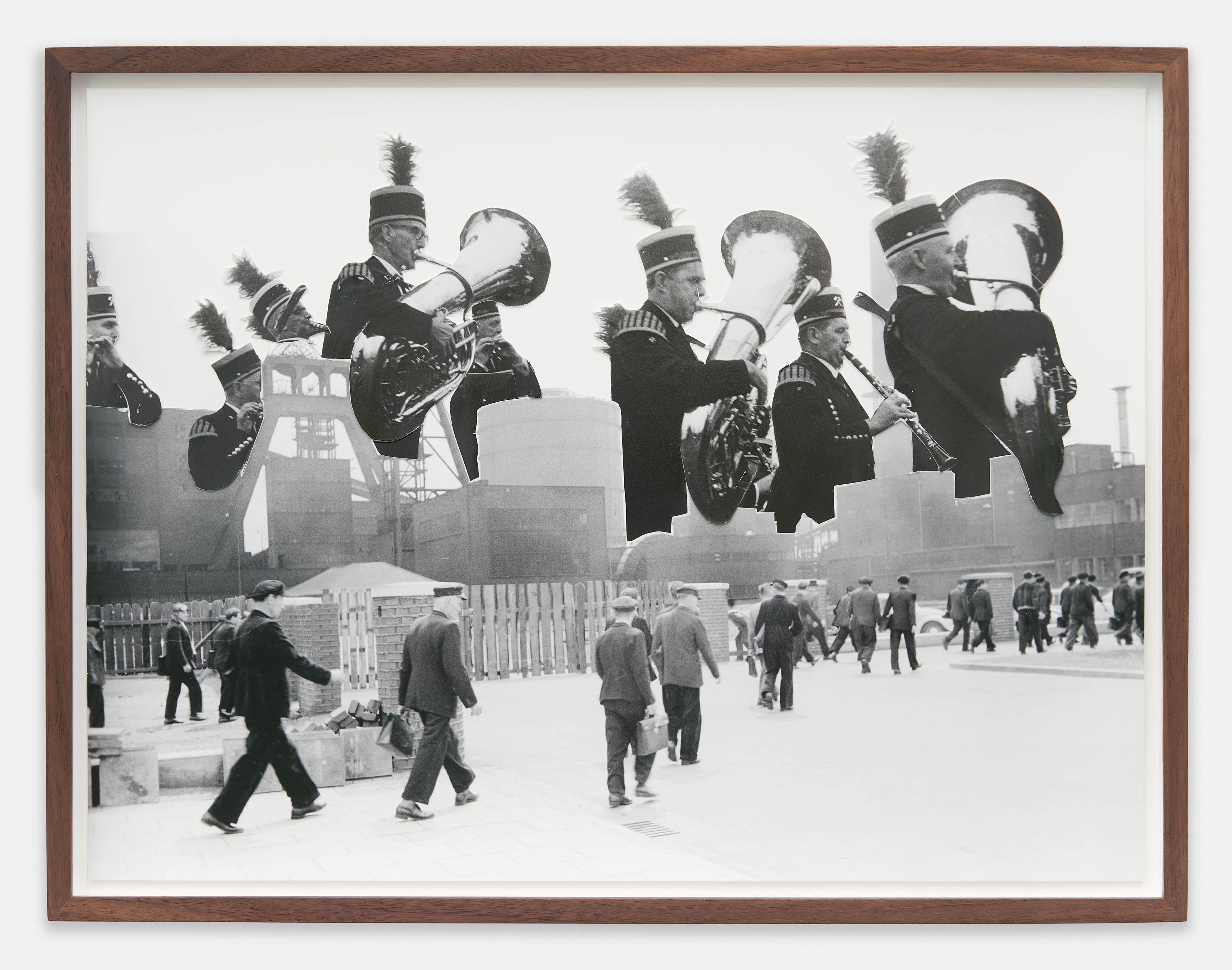
Glück auf in Deutschland, #18, 2024
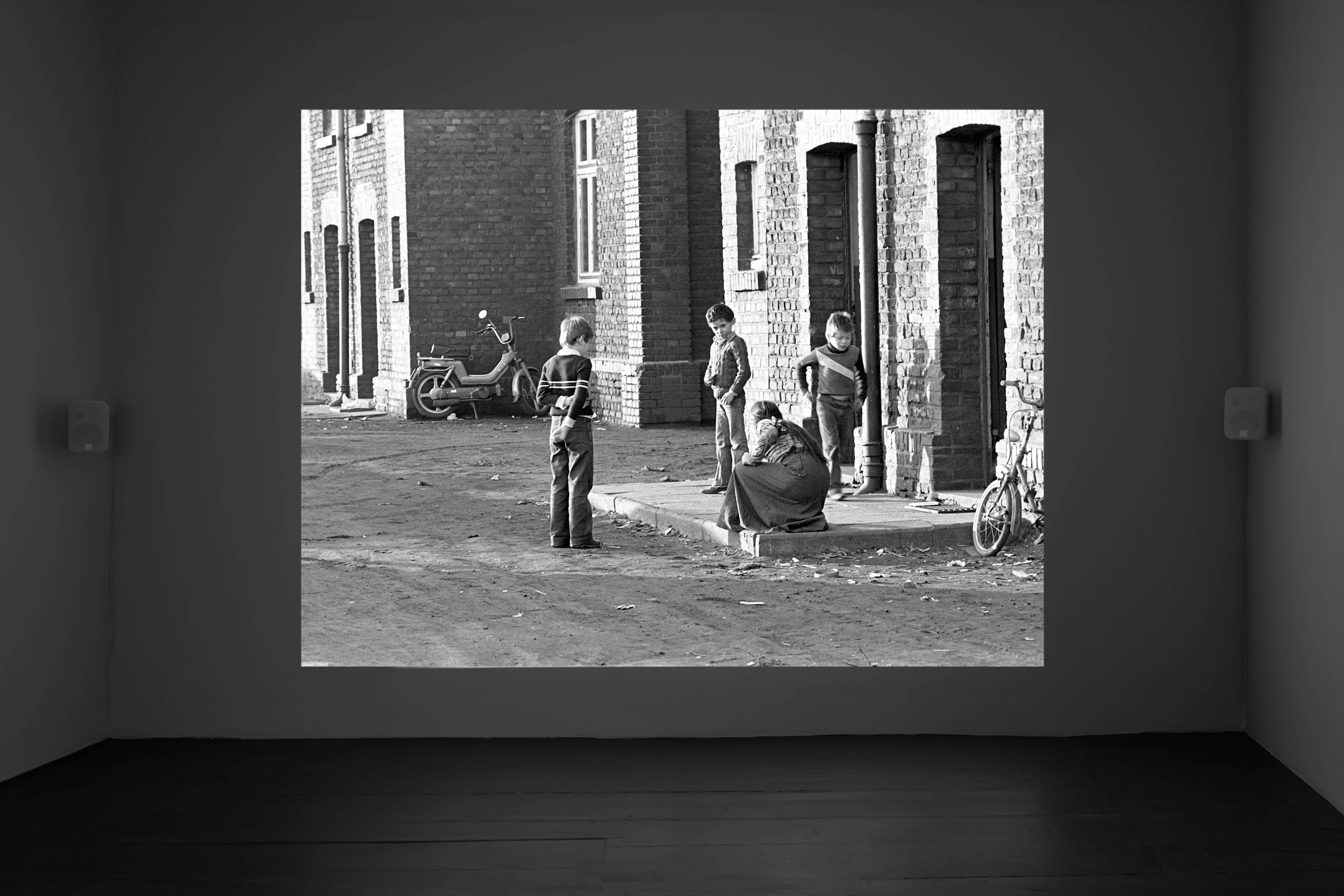
Glück auf in Deutschland, 2024
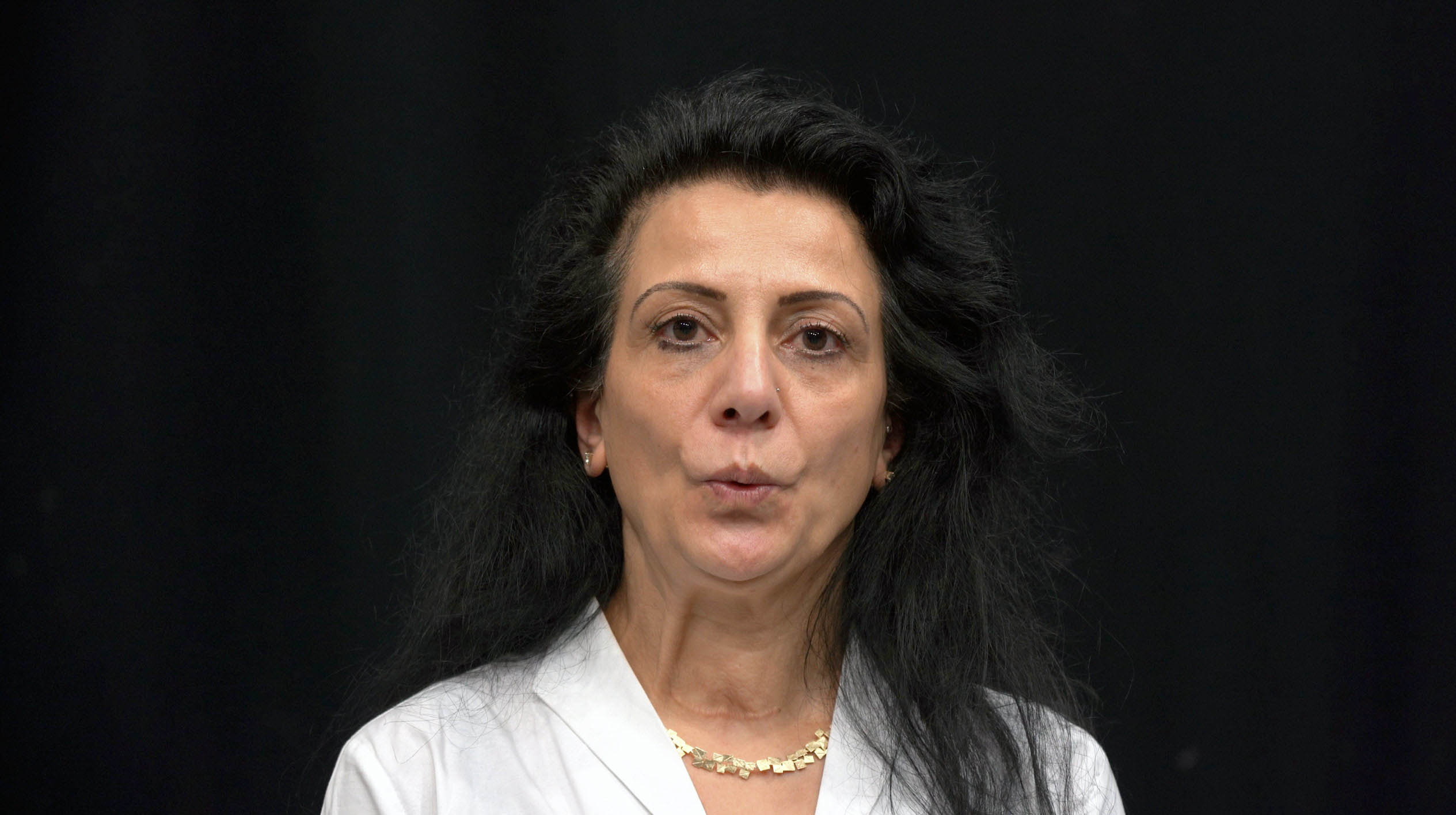
I Wish You Luck, 2024
Press Release
Galerie Tanja Wagner is pleased to present Glück auf in Deutschland, our first solo exhibition by Pınar Öğrenci.
Pınar Öğrenci’s work deftly drops the past into our laps, making it clear that we need to care for it if we want to live differently today and tomorrow.
At documenta 15, the Kurdish artist with a Turkish passport drew notice with her film Aşît. Her new project climbs down into the archives of the history of guest workers in the Ruhr and comes back up with lives and images that have languished in obscurity. She presents the bodies and voices of people who labored for decades to help rebuild Germany and yet are labeled migrants and pushed to the sidelines even today. And she brings into focus the degradation and violence Germany visited upon its new migrant working class only years after the Holocaust.
Öğrenci searched the photographic archive of the Ruhrmuseum in Essen to look for visual traces of the first generation of guest workers and found—almost nothing. The Fördergemeinschaft für Bergmannstradition—Linker Niederrhein, an organization dedicated to preserving the traditions of mining communities, at least had a few photographs. In the decades between 1955, when the first recruitment agreements with countries in southern Europe and the Global South were signed (Turkey followed in 1961), and 1982, the mining industry and mining culture were captured in numerous sometimes lavish photo documentaries—but those exclusively show white German faces and bodies, staged as symbolic ideals for the purposes of Krupp & Co.’s lobbying and propaganda campaigns. In fact, the documentaries were bankrolled by the industry. Guest workers were literally edited out.
So Öğrenci listened to the oral histories of protagonists in the Ruhr who still have personal recollections of the unrepresented migrant past, or who research this history. She gathered her findings in three works, produced in part at the invitation of the Kunstmuseum Bochum, where she has a concurrent second exhibition. They provide insight into dark chapters of German economic and social history that are by no means in the past but in fact still being written. Though Öğrenci’s art is pointed and unsettling in its critique, her poetic forms always also open up their themes to human understanding, to an acknowledgment of the value and dignity of diminished lives.
Glück auf in Deutschland Film, 44 min, 2024
Pınar Öğrenci montages black-and-white photographs in a documentary film that introduces viewers to industry and life in the postwar Ruhr. The artist’s offscreen voice guides through the film; she opens with a lament from the Turkish poem Fazıl Hüsnü Dağlarca, comments on the images, and interviews experts who shed light on the context in which the guest workers’ stories were set. Öğrenci’s film unfurls a piece of German as well as German-Turkish history that has rarely been told. Take the burial of Bertha Krupp in 1957 (the “Big Bertha,” a howitzer made by the Krupp conglomerate that was used in World War I and also sold in large numbers to the Ottoman Empire, was named after her): once her body was in the ground, photographs show, Krupp workers began to rally, there was protest, an instant of resistance. Another largely unknown episode—and here the film, close to the end, is suddenly in color, with footage shot by Öğrenci herself: a Nazi-era camp for forced labor built and used by the Krupps was later repurposed to house guest workers. The terms change, the levels of violence and danger change. The principle remains the same.
Öğrenci’s approach in Glück auf in Deutschland is similar to the one in her film Gurbet Is a Home Now (2020), which combines archival material and interviews to document the history of guest workers’ homes in Berlin-Kreuzberg. Foregrounding the voices of women, it uncovers a virtually unknown facet of the city’s past.
Glück auf in Deutschland Photo collages, 2024
Öğrenci recently branched out into a new form: collage. Drawing on sources that also went into her film, the artist takes a playful approach to fraught photographic material. Her arrangement of images points up that the much-vaunted miners’ traditions are a construct, a symbolic idealization designed to tell the history of the wastage of bodies and lives in coalmining as a story of heroism rather than exploitation. And one in which men are the heroes, while the women—as Öğrenci’s film has made us see—labored without pay to produce the basis for their partners’ breadwinning toil. The artist, who studied architecture in Istanbul and practiced for many years before defecting to film and fine art, takes the scissors to collieries and steel mills to compose a cogent visualization of a politics of bodies.
I Wish You Luck 5-channel video installation, 4 min, 2024
What we see also speaks to the roles women play and their ownership stake in the tradition. In the third room of her exhibition, Pınar Öğrenci has mounted five screens for portraits on film of women who whistle. They whistle the Steigerlied, the folkloristic main attraction in the German miners’ songbook, also known by its first words: Glück auf, or Good luck! But we might not have known that whistling is strictly forbidden down in the pit, where escaping methane, which can explode tunnels and kill miners, seeps out of the rocks with a whistling sound. So shush!
Still, these women whistle. Öğrenci approached miners’ choruses—clubs invariably dominated by ethnic German men—in hopes of recording their singing or obtaining permission to use existing recordings, but in vain. They would not give a woman, and one from Turkey, access to their voices and songs. So the artist instead brought in Turkish and Kurdish women who were happy to lend their voices to the project, and they now whistle their own Good luck!
The Man That Doesn’t Burn Digital print on glass, 2024
We still need to talk about lungs, and about fire. A large archival image installed in the gallery’s street-facing window, the reproduction of a historic photograph, shows a heat trial. A man sheathed in metal stands next to flames. A body in an aluminum suit is tested to assess its heat resistance: its ability to survive in the industrial complex, which is also the military complex. Here is one of the bodies that German guest-worker programs subjugated and, in many places, continue to subjugate. We now have a fairly precise idea of how many of these bodies were maimed and never compensated, how many miners died of black lung, how many steelworkers were felled by the heat.
The picture can stand as a programmatic visualization of the body politics to which part of the population is exposed today: working-class people, people classed as migrants or refugees, but also people who are currently given gag orders, barred from their professions, or refused entry into the country because they do not meekly submit to the German raison d’état. Because the temperature is once again rising in Germany, the tone in society and politics is getting harsher, nastier, more exclusionary. The need for heat-proof suits is growing by the day.
Text: Alexander Koch Translation: Gerrit Jackson
Pınar Öğrenci was born 1973 in Van, Turkey and currently lives and works in Berlin. She was awarded by Villa Romana Preis 2022 and nominated for Böttcher Strasse Kunst Prise 2022 in Bremen. Her works will be included upcoming exhibitions at Disobobedience Archive, Venice Biennial, Biennale Matter of Art Prag, and Fraq Bretagne in Rennes in 2024.
Selected exhibitions: Her works has been exhibited nationally and internationally at group exhibitions including documenta fifteen, Kassel, MAXXI Museum, Rome, 12th Gwangju Biennial, 6th Athens Biennial, the Istanbul off-site project of Sharjah Biennial13, Kunsthalle Bremen, SALT Galata, İstanbul and many others. Solo exhibitions: Berlinische Galerie, Berlin, Hundertwasser Museum Kunst Haus Wien, Tensta Konsthall, Stockholm and Depo İstanbul. Selected screenings: Neue Nationalgalerie, Berlin, Schirn, Frankfurt, Brücke Museum Berlin, Protocinema, New York, Kunst Meran, Merano, İstanbul Modern, Architecture Centre Museum Quarter, Vienna and Maxim Gorki Theater Berlin.
Galerie Tanja Wagner freut sich, Glück auf in Deutschland, die erste Einzelausstellung von Pınar Öğrenci zu präsentieren.
Pınar Öğrencis Werk versteht es, uns die Vergangenheit so in den Schoß zu legen, dass wir uns um sie kümmern müssen, um heute und morgen anders zu leben. Das neue Projekt der kurdischen Künstlerin mit türkischem Pass, deren Film Aşît auf der documenta 15 Beachtung fand, steigt hinab in die Archive der Gastarbeitergeschichte des Ruhrgebiets und findet dort Leben und Bilder, die unbekannt sind. Sie zeigt die Körper und Stimmen von Menschen, die jahrzehntelang Deutschland mit aufgebaut haben und bis heute migrantisiert im Hintergrund stehen. Und sie zeigt die Herabwürdigung und Gewalt, die Deutschland wenige Jahre nach dem Holocaust für seine neue migrantische Arbeiterklasse bereithielt.
Im fotografischen Archiv des Ruhrmuseum Essen suchte Öğrenci nach den Bildspuren der ersten Gastarbeitergeneration und fand – nichts. Bei der Fördergemeinschaft für Bergmannstradition – Linker Niederrhein fanden sich immerhin einige Fotos. Seit Abschluss der Anwerbeabkommen mit Ländern des europäischen und globalen Südens ab 1955 (mit der Türkei 1961) bis ins Jahr 1982 finden sich zahlreiche, teils aufwändige Fotodokumentationen zur Bergbauindustrie und -kultur, jedoch nur mit deutschen, weißen Gesichtern und Körpern, die symbolisch überhöht wie Lobby- und Propaganda-Subjekte im Dienst von Krupp & Co. inszeniert wurden. Tatsächlich wurden diese Dokumentationen von der Industrie finanziert. Gastarbeiter blieben dabei buchstäblich ausgeblendet.
Öğrenci hörte also der Oral History von Protagonist:innen im Ruhrgebiet zu, die unrepräsentierte migrantische Vergangenheit noch erzählen können oder diese Geschichte beforschen. Drei Arbeiten entstanden, teils auf Einladung des Kunstmuseum Bochum, wo Öğrenci zeitgleich ausstellt. Sie geben nun Einblick in dunkle Seiten deutscher Wirtschafts- und Sozialgeschichte, die nicht passé sind, sondern sich weiter fortschreiben. Dabei kritisiert und verstört Öğrencis Kunst, ihre dichterischen Formen sind aber immer auch Öffnungen ins Humane, eine Anerkennung und Würdigung geschmälerter Leben.
Glück auf in Deutschland Film, 44 min, 2024
Pinar Öğrenci montiert Schwarzweißfotografien zu einem Dokumentarfilm, der hineinführt in die Industrie- und Lebenswelt des Ruhrgebiets der Nachkriegszeit. Auf der Tonspur leitet die Stimme der Künstlerin durch den Film, spricht eingangs ein Lamento des türkischen Dichters Fazıl Hüsnü Dağlarcas, kommentiert das Bildmaterial, führt Interviews mit Expert:innen, die Hintergründe der Gastarbeiterhistorie nachzeichnen. Öğrencis Film entfaltet ein Stück deutscher, auch deutsch-türkischer Geschichte, das selten so erzählt wurde. Etwa die Beerdigung von Bertha Krupp 1957 (nach ihr wurden im ersten Weltkrieg die „Dicken Berthas“ benannt, Mörserkanonen der Firma Krupp, die auch in Vielzahl an das Osmanische Reich verkauft wurden): nach der Grablegung, das zeigen Fotografien, bildete sich eine Demonstration der Belegschaft des Krupp-Konzerns, es gab Protest, einen Moment des Widerstands. Ebenfalls wenig bekannt – und hier wird der Film zum Schluss plötzlich farbig, mit Öğrencis eigenen Filmausnahmen: ein Zwangsarbeiterlager der Krupps aus der NS-Zeit, das später umgenutzt wurde als Gastarbeiterlager. Begriffe ändern sich, Grade der Gewalt und der Gefahr ändern sich. Am Prinzip ändert sich nichts.
Bei Glück auf in Deutschland geht Öğrenci ähnlich vor wie bei ihrem Film Gourbet Is a Home Now (2020). Sie dokumentierte die Geschichte der Gastarbeiterwohnungen in Berlin-Kreuzberg mithilfe von Archivmaterial und Interviews, stellte dabei die Stimmen von Frauen in den Vordergrund, und machte so ein fast unbekanntes Stück Berliner Vergangenheit sichtbar.
Glück auf in Deutschland Fotocollagen, 2024
Erstmals in ihrem Werk begibt sich Öğrenci auf das Terrain der Collage. Aus Quellen, die auch ihren Film speisen, arrangiert die Künstlerin in einer spielerischen Form des Umgangs problematisches Fotomaterial. Es zeigt auf, dass die vielbesungene Bergmannstradition ein Konstrukt ist, eine symbolische Überhöhung, um den Verschleiß von Körpern und Leben im Kohlebergbau als Heldengeschichte statt als Ausbeutung zu erzählen. Erzählungen, in denen Männer die Helden sind, während die Frauen – wir wissen es mittlerweile aus Öğrencis Film – in unbezahlter Arbeit die Basis für den Lohnerwerb ihrer Partner herstellten. Die Künstlerin, die in Istanbul Architektur studierte und auch viele Jahre praktizierte, ehe sie zum Film und zur Kunst überlief, zerlegt mit der Schere Zechen und Stahlwerke, und setzt körperpolitische Verhältnisse ins Bild.
I Wish You Luck 5-Kanal Videoinstallation, 4 min, 2024
Was zu sehen ist, spricht auch über die Rolle von Frauen und über ihren Besitz an der Tradition. Im dritten Raum ihrer Ausstellung zeigt Pınar Öğrenci auf fünf Screens filmische Portraits von Frauen, die pfeifen. Sie pfeifen das Steigerlied, die folkloristische Hauptattraktion im Liedgut der ansässigen Bergmannschaft, auch bekannt unter dem Titel Glück auf! Wichtig hier: Pfeifen ist Untertage streng verboten, denn entweichendes Methan, das Stollen in die Luft jagen und Bergarbeiter töten kann, dringt mit Pfeiftönen aus dem Gestein hervor. Also psst!
Die Frauen aber pfeifen. Öğrenci versuchte, mit Bergarbeiterchören – sämtlich männlich und biodeutsch dominiert – in Austausch zu treten und ihren Gesang aufzuzeichnen oder vorhandene Aufnahmen zu verwenden, was misslang. Zugang zu diesen Stimmen und diesem Liedgut wollte man einer Frau aus der Türkei nicht gewähren. Also lässt die Künstlerin türkische und kurdische Frauen, die dem Projekt ihre Stimme geben wollten, ihr eigenes Glück Auf! pfeifen.
The Man That Doesn’t Burn Digitalprint auf Glas, 2024
Man muss noch über Lungen reden, und über Feuer. Im Galeriefenster zur Straße ist ein großes Archivbild installiert, die Reproduktion einer historischen Fotografie. Es zeigt einen Hitzeversuch. Ein Mann in Metall steht neben Flammen. Ein Körper wird im Aluminiumanzug auf seine Hitzetauglichkeit getestet. Wird getestet auf sein Überlebensvermögen im industriellen Komplex, der auch militärischer Komplex ist. Da ist einer der Körper, den deutsche Gastarbeiterprogramme unterworfen haben und vielerorts weiterhin unterwerfen. Gut bekannt ist heute, wie viele dieser Körper beschädigt und niemals entschädigt wurden, wie viele Bergleute an ihren Staublungen starben, wie viele Stahlkocher an der Hitze.
Das Bild kann programmatisch stehen für Körperpolitiken, denen sich ein Teil der Bevölkerung ausgesetzt sieht: Menschen der Arbeiterklasse, migrantisierte und geflüchtete Menschen, aber auch solche, denen derzeit Rede-, Berufs-, oder Einreiseverbote erteilt werden, weil sie sich nicht der deutschen Staatsräson zu Füßen legen. Denn in Deutschland steigt die Temperatur mal wieder an, der soziale und politische Ton wird härter, böser, ausgrenzender. Der Bedarf an Hitzeschutzanzügen steigt täglich.
Text: Alexander Koch
Pınar Öğrenci wurde 1973 in Van, Türkei, geboren und lebt und arbeitet aktuell in Berlin. Sie wurde mit dem Villa Romana Preis 2022 ausgezeichnet und für den Böttcher Straße Kunst Preis 2022 in Bremen nominiert. Ihre Arbeiten werden 2024 in den kommenden Ausstellungen Disobedience Archive der Venedig Biennale, der Biennale Matter of Art Prag und der Fraq Bretagne in Rennes zu sehen sein.
Ausgewählte Ausstellungen: Ihre Arbeiten wurden national und international in Gruppenausstellungen gezeigt, u. a. auf der documenta fifteen, Kassel, im MAXXI Museum, Rom, auf der 12. Gwangju Biennale, der 6. Athen Biennale, dem Istanbuler Off-Site-Projekt der Sharjah Biennale13, in der Kunsthalle Bremen, im SALT Galata, İstanbul. Einzelausstellungen: Berlinische Galerie, Berlin, Hundertwasser Museum Kunst Haus Wien, Tensta Konsthall, Stockholm und Depo İstanbul. Screenings: Neue Nationalgalerie, Berlin, Schirn, Frankfurt, Brücke Museum Berlin, Protocinema, New York, Kunst Meran, Merano, İstanbul Modern, Architekturzentrum Museumsquartier, Wien und Maxim Gorki Theater Berlin.